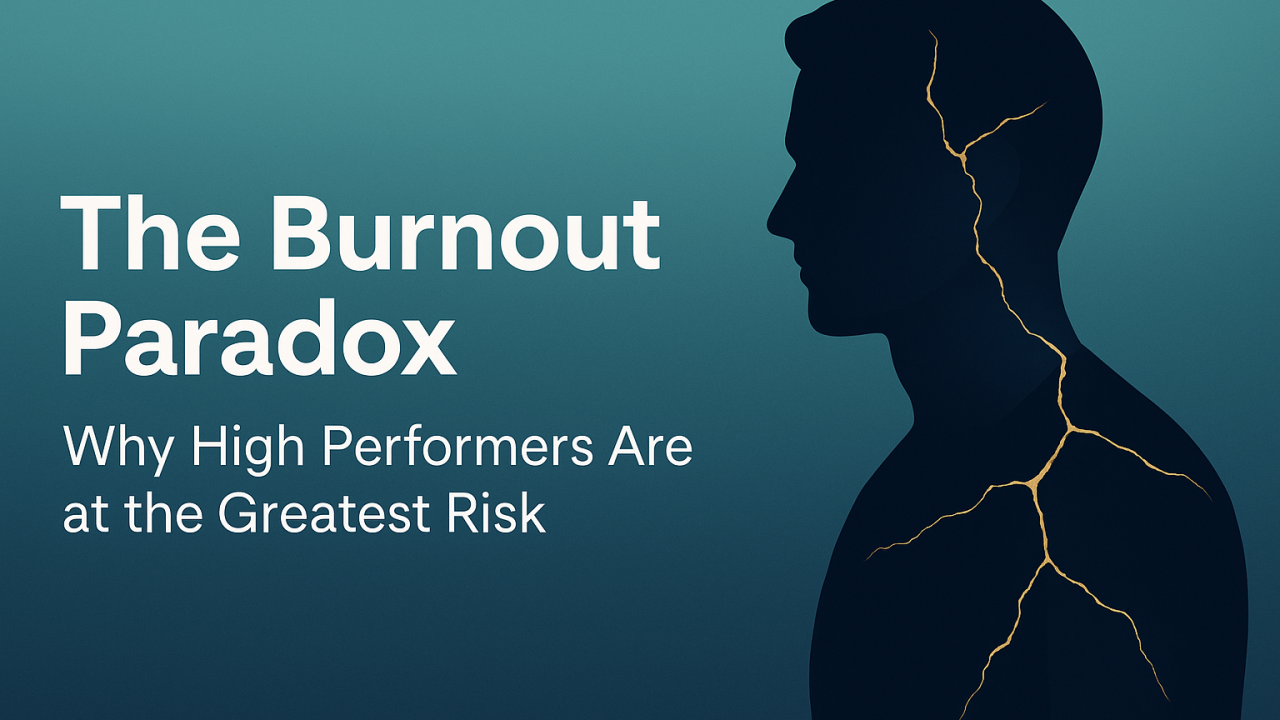
The global employee wellness industry surpassed $61 billion in 2024. Burnout rates continue to climb. Something fundamental is misaligned.
The wellness industry, at its core, treats burnout as an individual problem requiring individual solutions. Meditation apps. Step challenges. Mental health awareness campaigns. Resilience training. The message, however well-intentioned, is clear: you are burning out because you are not managing yourself well enough. Here are some tools to help.
The evidence suggests otherwise.
Burnout Is a Design Problem, Not a Self-Care Problem
Research consistently shows that burnout is driven not by overwork in isolation but by the combination of high demands and low control. An employee managing a heavy workload with autonomy over how and when they complete it is far less likely to burn out than an employee managing a moderate workload with no control over their schedule, no clarity on expectations, and no visibility into whether their work matters.
Hibob’s 2026 research found that nearly half of professionals worldwide value more autonomy over their time, and 52% view flexible hours as a core job requirement. This is not a preference for leisure. It is a demand for the conditions under which sustained performance is actually possible.
Where HR’s Attention Should Be
If burnout is a design problem, then HR’s response should be design-focused. That means examining workload distribution, not just offering wellness resources. It means setting explicit expectations about response times and availability, not just encouraging work-life balance. It means equipping managers to have regular, meaningful conversations about capacity — not just annual performance reviews that ignore it.
Freshservice-style SLAs are instructive here. When an HR team publishes clear response time expectations, employees stop anxiously wondering whether their query has been seen. Certainty reduces stress. The same principle applies across the organisation: explicit norms about when people are expected to be available, and equally, when they are not, protect both wellbeing and performance.
The Organisational Cost of Getting This Wrong
The downstream costs of chronic burnout are measurable: increased benefits claims, higher turnover, elevated absenteeism, and declining productivity. Leading companies in 2026 are experimenting with four-day week pilots, shorter workdays, and structured pause periods — not out of generosity, but because the economics of burnout prevention are more compelling than the economics of burnout treatment.
The $61 billion question for every CHRO: are you investing in wellness programmes that treat symptoms, or are you redesigning work so the symptoms stop appearing?
Global People Operations Leader with 10+ years of experience across APAC and remote-first organizations. Specializing in Workday, employee lifecycle management, and people-first HR operations. Connect on LinkedIn